-
Shop
- Advanced Technologies
- AI Skills Mastery 2026 Collection
- Apple Accessories
- Bathroom
- Car Accessories
- Dating & Social Skills
- Digital Resources
- AI & Technology
- Beauty
- Budgeting & Saving
- Car Buying & Ownership
- Cozy Feast Collection
- Electronics & Technology
- Entrepreneurship & Business Growth
- Financial Education
- Financial Independence
- Financial Mindset & Psychology
- Goal Setting
- Home Styling & Organization
- Kitchen & Recipes
- Leadership
- Mindfulness
- Mindset
- Online Business
- Parenting & Child Development
- Personal Style & Fashion
- Pet Lifestyle & Wellness
- Positive Thinking
- Sleep Improvement
- Smart Life with AI
- Stress Management & Relaxation
- Travel Planning
- Wellness
- Yoga & Fitness
- Yoga & Mind-Body Practices
- Education & Learning
- Family & Parenting
- Fashion
- Accessories
- Alexander McQueen
- Bags
- Bags & Wallets
- Balenciaga
- Belts
- Blazers
- Bottega Veneta
- Bottoms
- Brunello Cucinelli
- Burberry
- Chanel
- Chloé
- Clothing
- Dior
- Dolce & Gabbana
- Dresses
- Etro
- Fendi
- Gucci
- Hats & Hair Accessories
- Hoodies & Sweatshirts
- Jacquemus
- Jewelry
- Jil Sander
- Keychains
- Kiton
- Luggage
- Miu Miu
- Off-White
- Outerwear
- Prada
- Rick Owens
- Saint Laurent
- Scarves
- Socks & Tights
- Sweaters & Cardigans
- The Row
- Tom Ford
- Tops & Shirts
- Valentino
- Valentino Garavani
- Versace
- Vivienne Westwood
- Watches
- Fashion Accessories
- Furniture
- Gadgets
- Health & Beauty
- Health & Wellness
- Home & Garden
- Home Electronics
- Home Supplies
- Kids & Babies
- Kitchen
- Lighting
- Patio, Lawn & Garden
- Personal Growth
- Pet Care
- Pet Supplies
- Pets
- Shoes
- Sport & Outdoors
- Super Deals
- Travel
- Wealth
- Popular
- Best deals
Anxiety Relief Toolkit: 3-in-1 Guides, eBooks, Checklists
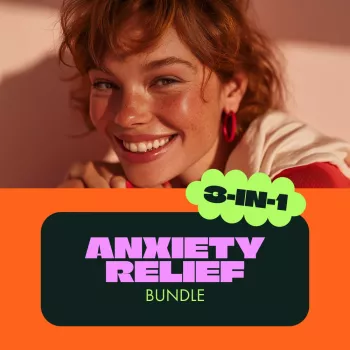
Anxiety Relief Toolkit for a Calmer Mind: A practical 3-in-1 bundle for everyday steadiness
A calmer mind is easier to build with tools that are simple, repeatable, and ready when stress spikes. This 3-in-1 bundle brings together practical guides, eBooks, and checklists designed to help create steadier routines, reduce overwhelm, and support healthier responses to anxious thoughts and body sensations. The goal isn’t to “turn off” anxiety on command—it’s to make coping more automatic, so the next hard moment feels a little more workable.
If you’re looking for a self-paced resource that can support skills like grounding, reframing, and habit tracking, explore the Anxiety Relief Toolkit for a Calmer Mind: 3-in-1 Bundle with Guides, eBooks & Checklists and keep the materials on your phone, tablet, or printed at home.
What’s Inside the 3-in-1 Bundle
- Guides that walk through step-by-step coping strategies for common anxiety patterns
- eBooks for deeper learning and structured practice over days or weeks
- Checklists for quick use during high-stress moments and for daily habit tracking
- Digital format that can be revisited, printed, or kept on a phone/tablet for convenience
- Designed to support consistency: the same core tools used across different situations
How each format helps in real life
| Format | Best used for | When it helps most | Typical outcome to aim for |
|---|---|---|---|
| Guides | Learning a technique step-by-step | When starting a new coping skill | Clear plan and reduced uncertainty |
| eBooks | Building understanding and practice routines | When anxiety feels frequent or long-running | Stronger habits and better self-awareness |
| Checklists | Fast actions and tracking | During spikes, panic-like symptoms, or busy days | Grounding, focus, and follow-through |
Who This Toolkit Fits Best
- Adults who feel stuck in worry loops, overthinking, or frequent nervous tension
- People who want structured tools that are easier to follow than “just relax” advice
- Anyone building a daily self-care routine and needing prompts to stay consistent
- Busy schedules: short checklists for immediate support plus longer reads for weekends
- Those who prefer private, self-paced resources to complement professional care
Many people find it helpful to pair self-help tools with trustworthy education about anxiety. For reference, see the National Institute of Mental Health (NIMH) overview of anxiety disorders and the American Psychological Association (APA) resources on anxiety.
How to Use It: A Simple 7-Day Reset Plan
This week-long structure is meant to be realistic. The win condition is consistency, not intensity—short practice beats perfect practice.
- Day 1: Pick one checklist to use during the day; note which situations trigger the most stress.
- Day 2: Use a guide to practice one grounding technique (breathing, sensory focus, or muscle release).
- Day 3: Read a short section of an eBook and write down 1–2 patterns noticed (thoughts, behaviors, body cues).
- Day 4: Create a “calm plan” card: top 3 tools, top 3 supports, and one small action to take immediately.
- Day 5: Practice a worry window (set a short time to write worries, then close it and move on).
- Day 6: Use checklists for sleep or evening wind-down; track what helps most.
- Day 7: Review wins and adjust: keep what worked, simplify what didn’t, plan the next week.
For households supporting teens who are dealing with stress and late-night scrolling, a complementary option is the Teen Sleep Toolkit for Rest & Reset: 3-in-1 Bundle for Stress, Screen Time & Sleep Issues, which focuses more directly on wind-down routines and sleep consistency.
Core Skills the Bundle Can Reinforce
- Grounding skills: returning attention to the present through senses, posture, and surroundings
- Cognitive reframing: identifying unhelpful thought patterns and testing more balanced alternatives
- Behavioral support: reducing avoidance by taking small, manageable steps
- Nervous system regulation: using breath pacing, relaxation, and routine to lower arousal over time
- Tracking and reflection: noticing triggers and improvements without obsessing over perfect progress
When these skills are practiced repeatedly, they often become easier to access in the moment—especially if you keep one short checklist “ready to go” for stressful meetings, travel days, or sudden body sensations that can feel alarming.
Making It Stick Without Adding Pressure
For a broad, practical overview of mental health basics and supportive steps, the CDC’s mental health basics page is a helpful starting point.
Bundle Details and What to Expect
If you want one place to start, consider bookmarking the product page for the Anxiety Relief Toolkit for a Calmer Mind: 3-in-1 Bundle with Guides, eBooks & Checklists and choosing a single checklist to “test drive” for three days. Once that feels familiar, add one guide-based skill practice to round out your routine.
FAQ
Is this toolkit meant for daily use or only during anxiety spikes?
Both. Checklists are built for quick support during spikes, while the guides and eBooks work well for daily practice that makes coping skills easier to access over time. A simple cadence is one small daily practice plus checklists as needed.
Can this replace therapy or medication?
No—this is an educational, self-help resource meant to support skill-building and routine. It can complement professional care, but diagnosis and treatment decisions should be made with a licensed clinician, and urgent help is important if symptoms escalate or safety is a concern.
What if I don’t have time to read long materials?
Start with one checklist and one short guide section. Many practices can be done in 3–5 minutes, and deeper reading can be saved for weekends or calmer days.
Recommended for you

Validate Profitable Niches: 5-Step Workflow + Pack
Sep 11, 2026













Leave a comment