-
Shop
- Advanced Technologies
- AI Skills Mastery 2026 Collection
- Apple Accessories
- Bathroom
- Car Accessories
- Dating & Social Skills
- Digital Resources
- AI & Technology
- Beauty
- Budgeting & Saving
- Car Buying & Ownership
- Cozy Feast Collection
- Electronics & Technology
- Entrepreneurship & Business Growth
- Financial Education
- Financial Independence
- Financial Mindset & Psychology
- Goal Setting
- Home Styling & Organization
- Kitchen & Recipes
- Leadership
- Mindfulness
- Mindset
- Online Business
- Parenting & Child Development
- Personal Style & Fashion
- Pet Lifestyle & Wellness
- Positive Thinking
- Sleep Improvement
- Smart Life with AI
- Stress Management & Relaxation
- Travel Planning
- Wellness
- Yoga & Fitness
- Yoga & Mind-Body Practices
- Education & Learning
- Family & Parenting
- Fashion
- Accessories
- Alexander McQueen
- Bags
- Bags & Wallets
- Balenciaga
- Belts
- Blazers
- Blouses & Shirts
- Bottega Veneta
- Bottoms
- Brunello Cucinelli
- Burberry
- Chanel
- Chloé
- Clothing
- Dior
- Dolce & Gabbana
- Dresses
- Etro
- Fendi
- Gucci
- Hats & Hair Accessories
- Hoodies & Sweatshirts
- Jacquemus
- Jewelry
- Jil Sander
- Keychains
- Kiton
- Luggage
- Luggage Bags
- Miu Miu
- Off-White
- Outerwear
- Prada
- Rick Owens
- Saint Laurent
- Scarves
- Socks & Tights
- Sweaters & Cardigans
- The Row
- Tom Ford
- Tops & Shirts
- Valentino
- Valentino Garavani
- Versace
- Vivienne Westwood
- Watches
- Fashion Accessories
- Furniture
- Gadgets
- Halloween
- Health & Beauty
- Health & Wellness
- Home & Garden
- Home Electronics
- Home Supplies
- Kids & Babies
- Kitchen
- Lighting
- Patio, Lawn & Garden
- Personal Growth
- Pet Care
- Pet Supplies
- Pets
- Shoes
- Sport & Outdoors
- Super Deals
- Travel
- Wealth
- Popular
- Best deals
How to Read a Car Repair Estimate Before Approving Work
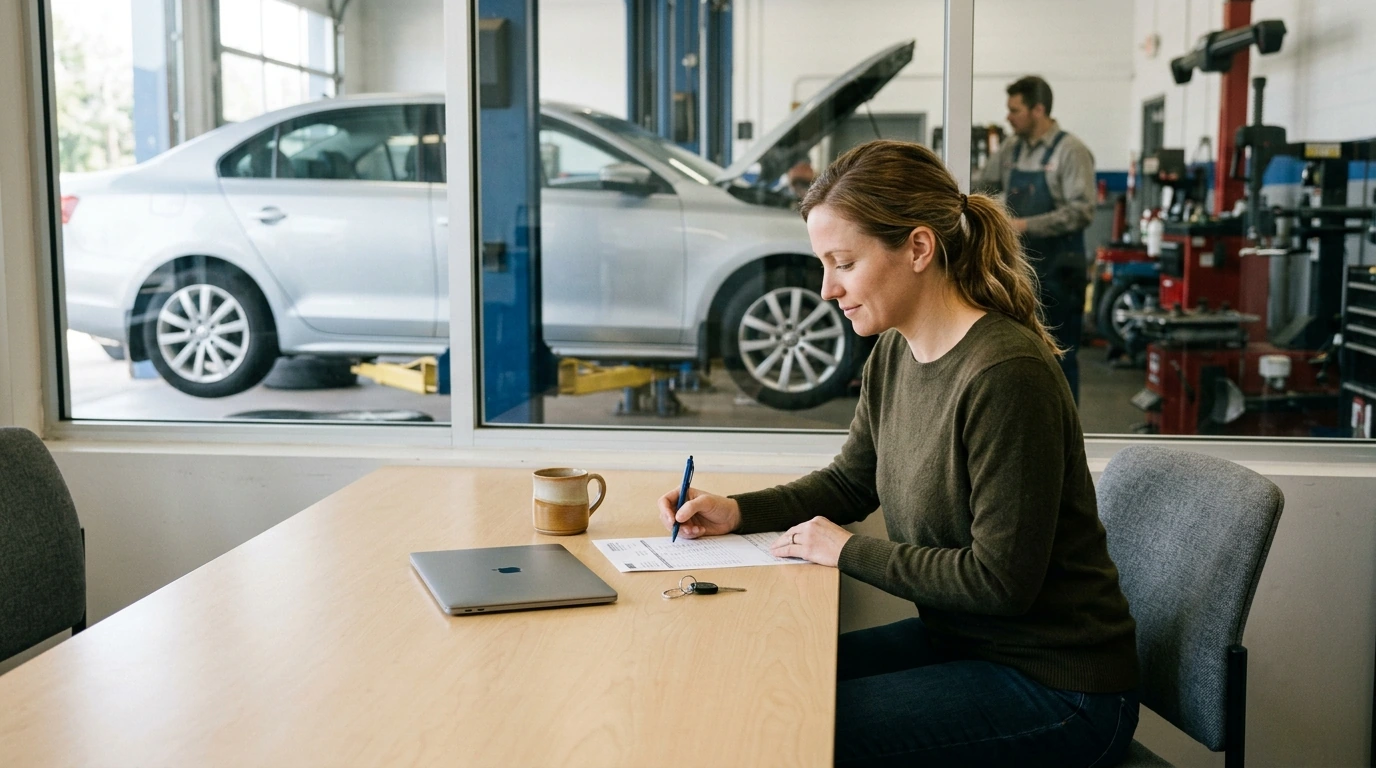
How to Read a Car Repair Estimate Before Approving Work
Start with the problem the shop is trying to solve
First, check that the estimate lists the correct vehicle, including its year, make, model, and mileage. Then compare the recorded complaint with what you actually reported. “Brake noise when stopping” is a symptom; “replace front brake pads and rotors” is a proposed correction. The estimate should not leave you guessing how the shop got from one to the other.
Ask what the inspection or tests revealed and whether the diagnosis is confirmed or still uncertain. A useful question is, “What evidence shows this repair will address my complaint?” If there is a diagnostic charge, find out what testing it covers, whether more testing might be necessary, and whether that charge is separate from repair labor. The Federal Trade Commission’s auto repair guidance also recommends discussing repair costs and authorization before work begins.
Examine each charge, not just the total
Read parts and labor as separate decisions. For each part, check the quantity and price, then ask whether it is new, remanufactured, rebuilt, or used. If relevant, clarify whether a new part comes from the vehicle manufacturer or another supplier.
For labor, confirm the hours and hourly rate. Ask whether the hours are a standard allowance or an expected time for this job, and whether bundled repairs share any labor. Shop supplies, disposal fees, taxes, and other additions should each have an identifiable amount and a description you understand.
A vague entry such as “service” or “miscellaneous” deserves clarification before approval. An itemized estimate also makes it easier to compare quotes that may include different parts, tests, or work.
Featured in this guide
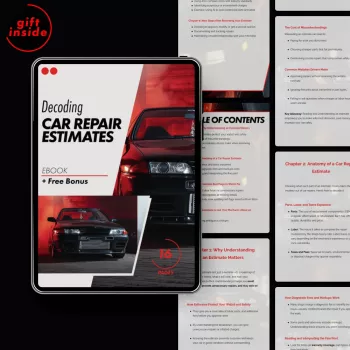
Decoding Car Repair Estimates – Practical eBook Guide for Smart Drivers | Learn how to understand a car repair estimate & Avoid Costly Mistakes
Decide what needs attention now
Ask the shop to distinguish a current safety or drivability issue from work intended to prevent future damage and routine maintenance that might be scheduled later. For each recommendation, ask what could happen if you delay it and which warning signs would mean you should stop driving.
If the estimate bundles several jobs, request separate prices so you can decide what to authorize or seek a second opinion. A single dollar cutoff cannot settle a repair-versus-replace decision; consider the vehicle’s condition, likely upcoming repairs, reliability needs, and the cost of a suitable replacement.
Make authorization explicit
Confirm the estimated total and whether it is fixed or may change. Ask the shop to contact you with a revised price before performing additional work, and keep a copy of what you authorize.
Request the parts-and-labor warranty in writing, including its duration, coverage, and exclusions. At pickup, compare the invoice with the estimate and ask about any changed part, labor amount, or fee.
Keep a reference handy for the next estimate
Save a short checklist on your phone: What is the diagnosed cause? What testing supports it? What parts are quoted? How are labor and fees calculated? Which work is urgent? What needs my approval, and what does the warranty cover? Having the same questions ready each time makes it easier to spot missing details.
Compare related options such as How to Change Your Pet’s Food Safely – Easy Checklist for Switching Pet Food Safely, Stress-Free Feeding Transition Guide to match features, dimensions, and use case before choosing.
FAQ
Will AutoZone read OBD codes?
AutoZone offers code-reading services at participating stores, but availability can vary. A stored OBD code can point toward a system to investigate; it does not, by itself, confirm which part needs replacement.
How much does a full car diagnostic cost?
There is no universal price. The fee depends on the vehicle, location, shop, and testing required, so ask for the diagnostic scope and charge before testing begins.
What are the three C’s of vehicle repair?
They are complaint, cause, and correction: the symptom reported, the reason diagnosed, and the work performed. Look for all three in your repair records so you can follow the shop’s reasoning.
What are some common abbreviations used in auto repair?
OEM means original equipment manufacturer, OBD means onboard diagnostics, and “aftermarket” describes parts made by a supplier other than the vehicle manufacturer. Ask the shop to define any abbreviation on your estimate that you do not recognize.
What is the $3000 rule for car repairs?
It is an informal rule of thumb suggesting a $3,000 repair should prompt a repair-versus-replace comparison, not an automatic decision. Consider the vehicle’s condition, future repair needs, and the cost of replacing it with one that meets your needs.
What is the best book to learn about car mechanics for beginners?
The best choice depends on whether you want to perform repairs or understand shop recommendations. Look for a beginner-friendly book with clear illustrations and coverage of your vehicle’s systems; a model-specific repair manual is useful when you need procedures for a particular car.
See if Decoding Car Repair Estimates – Practical eBook Guide for Smart Drivers | Learn how to understand a car repair estimate & Avoid Costly Mistakes fits your setup
When to Switch From Puppy Food to Adult Food
Sep 26, 2026
Free Full-Body Gym Workout PDFs: How to Choose One
Sep 27, 2026













Leave a comment