-
Shop
- Advanced Technologies
- AI Skills Mastery 2026 Collection
- Apple Accessories
- Bathroom
- Car Accessories
- Dating & Social Skills
- Digital Resources
- AI & Technology
- Beauty
- Budgeting & Saving
- Car Buying & Ownership
- Cozy Feast Collection
- Electronics & Technology
- Entrepreneurship & Business Growth
- Financial Education
- Financial Independence
- Financial Mindset & Psychology
- Goal Setting
- Home Styling & Organization
- Kitchen & Recipes
- Leadership
- Mindfulness
- Mindset
- Online Business
- Parenting & Child Development
- Personal Style & Fashion
- Pet Lifestyle & Wellness
- Positive Thinking
- Sleep Improvement
- Smart Life with AI
- Stress Management & Relaxation
- Travel Planning
- Wellness
- Yoga & Fitness
- Yoga & Mind-Body Practices
- Education & Learning
- Family & Parenting
- Fashion
- Accessories
- Alexander McQueen
- Bags
- Bags & Wallets
- Balenciaga
- Belts
- Blazers
- Blouses & Shirts
- Bottega Veneta
- Bottoms
- Brunello Cucinelli
- Burberry
- Chanel
- Chloé
- Clothing
- Dior
- Dolce & Gabbana
- Dresses
- Etro
- Fendi
- Gucci
- Hats & Hair Accessories
- Hoodies & Sweatshirts
- Jacquemus
- Jewelry
- Jil Sander
- Keychains
- Kiton
- Luggage
- Luggage Bags
- Miu Miu
- Off-White
- Outerwear
- Prada
- Rick Owens
- Saint Laurent
- Scarves
- Socks & Tights
- Sweaters & Cardigans
- The Row
- Tom Ford
- Tops & Shirts
- Valentino
- Valentino Garavani
- Versace
- Vivienne Westwood
- Watches
- Fashion Accessories
- Furniture
- Gadgets
- Halloween
- Health & Beauty
- Health & Wellness
- Home & Garden
- Home Electronics
- Home Supplies
- Kids & Babies
- Kitchen
- Lighting
- Patio, Lawn & Garden
- Personal Growth
- Pet Care
- Pet Supplies
- Pets
- Shoes
- Sport & Outdoors
- Super Deals
- Travel
- Wealth
- Popular
- Best deals
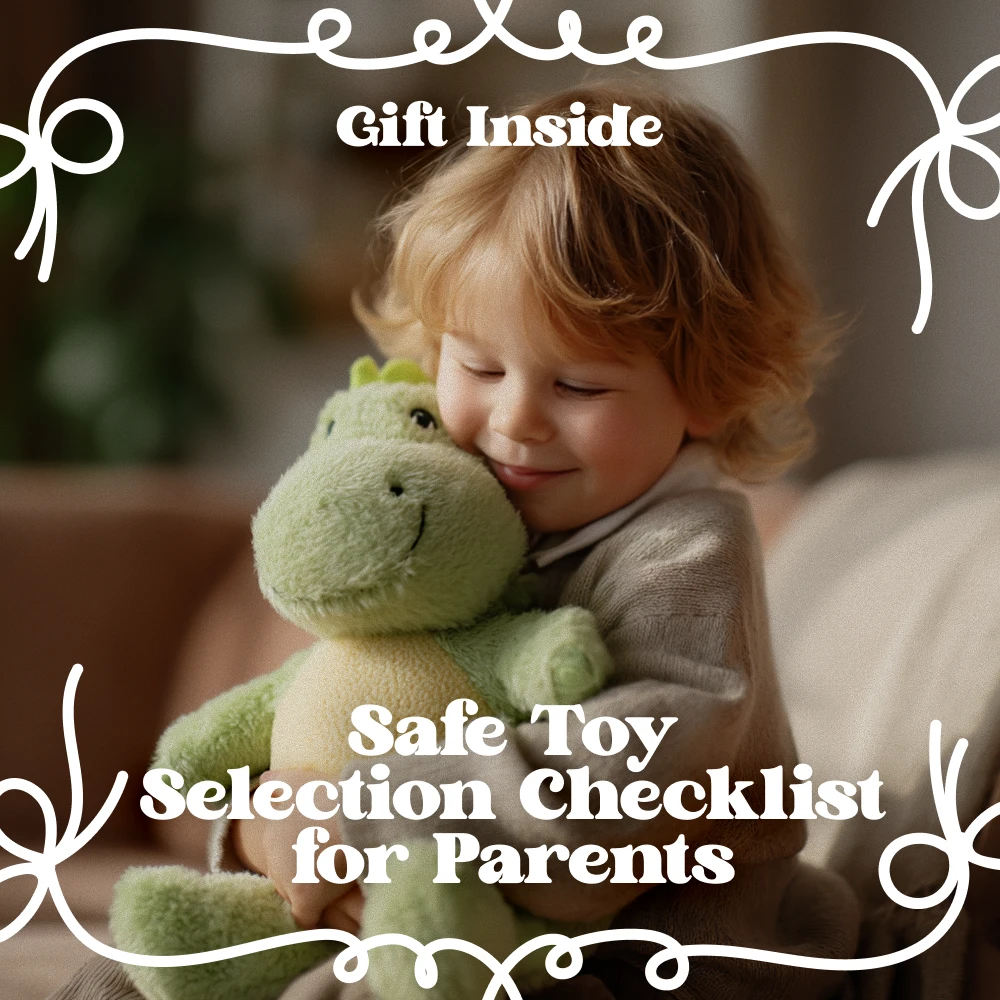
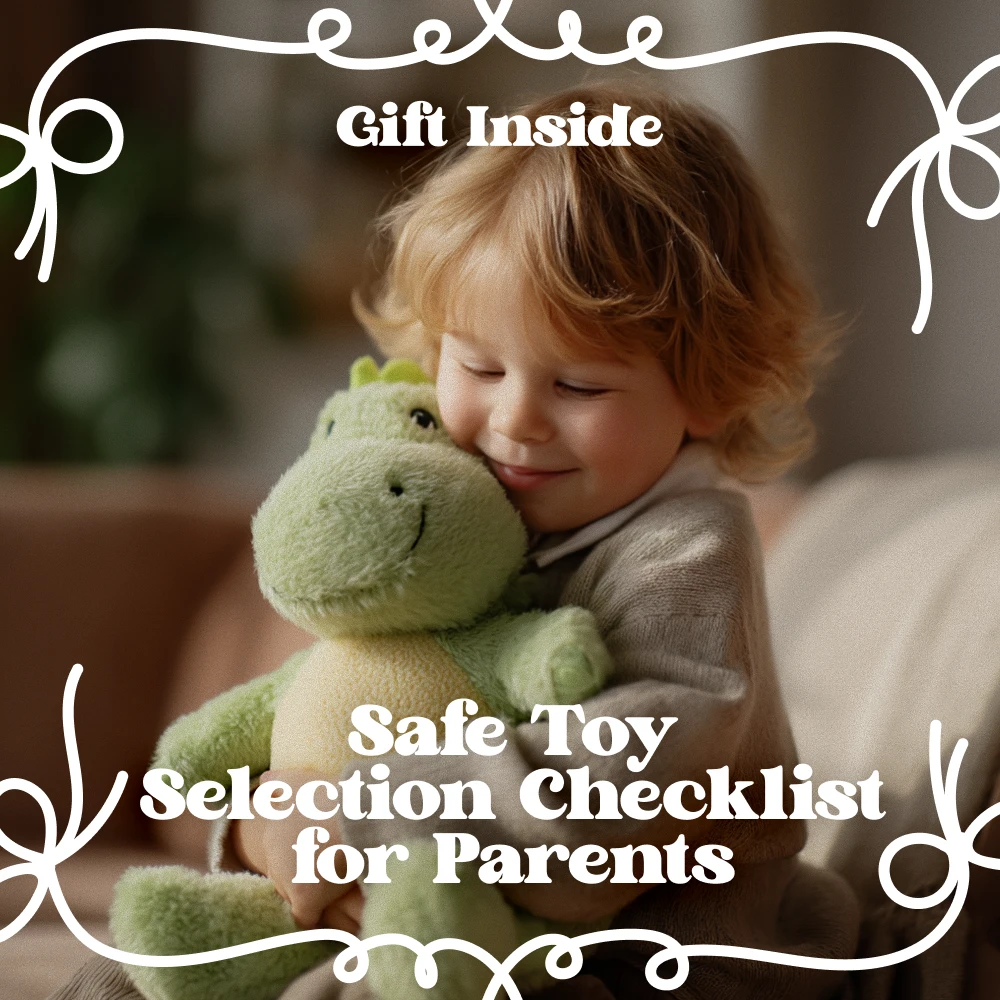
Printable Safe Toy Selection Checklist for Parents
25% off on product page · save $29.33
Printable Safe Toy Selection Checklist for Parents
Why Every Toy Needs a Quick Safety Review
A toy that works well for one child may be dangerous for another. Consider the child’s age, developmental abilities, coordination, mouthing behavior, and ability to follow directions. Manufacturer age recommendations are not measures of intelligence; they may reflect choking hazards, required dexterity, mature content, or the complexity of safe use.
Account for every child who can access the toy. A building set purchased for an older sibling may contain pieces that can reach an infant in a shared playroom. Popularity and positive reviews also do not establish safety. Examine the exact product, instructions, labeling, condition, construction, and recall status.
Common Toy Hazards and Practical Checks
| Hazard | What to Inspect | Safer Buying Response |
|---|---|---|
| Small parts | Loose accessories, beads, wheels, eyes, and breakable components | Follow age guidance and avoid accessible pieces for children who mouth objects |
| Button batteries | Battery type and whether the compartment requires a tool | Choose securely fastened compartments and lock away spare batteries |
| Powerful magnets | Loose, exposed, or detachable magnetic pieces | Avoid accessible magnets, especially around young children |
| Cords and loops | Long strings, straps, ribbons, and elastic loops | Select short, securely attached components appropriate for the child’s age |
| Weak construction | Brittle plastic, sharp points, splinters, weak seams, or exposed fasteners | Reject damaged or poorly finished products |
| Sound and projectiles | Volume, firing force, projectile tips, and protective-use instructions | Prefer volume controls, soft tips, and age-appropriate designs |
Why Every Toy Needs an Individual Review
A building set intended for an older sibling may still place small pieces within reach of an infant in a shared room. Popularity and positive reviews do not establish safety; inspect the exact product, labeling, instructions, condition, construction and recall status.
| Hazard | What to inspect | Practical response |
|---|---|---|
| Small parts | Loose accessories, beads, wheels, eyes and breakable components | Follow age guidance and avoid accessible pieces for children who mouth objects |
| Button batteries | Battery type and whether the compartment requires a tool | Choose securely fastened compartments and lock away spare batteries |
| Powerful magnets | Loose, exposed or detachable magnetic pieces | Avoid accessible magnets, especially around young children |
| Cords and loops | Long strings, straps, ribbons and elastic loops | Select short, securely attached components appropriate for the child’s age |
| Weak construction | Brittle plastic, sharp points, splinters, weak seams or exposed fasteners | Reject damaged or poorly finished products |
| Sound and projectiles | Volume, firing force, projectile tips and protective-use instructions | Prefer volume controls, soft tips and age-appropriate designs |
Featured in this guide
Safe Toy Selection Checklist for Parents | Printable Safe Toy Selection Checklist | Child Safety Guide for Smart Toy Buying
The Before-You-Buy Checklist
- Confirm age suitability. Match the recommendation to the child’s age, behavior, abilities and developmental stage.
- Read every warning. Note requirements for adult assembly, close supervision, protective equipment or a particular play environment.
- Examine construction. Look for smooth edges, secure seams, sturdy materials and firmly attached components.
- Consider what could detach. Think about how the toy may respond when pulled, chewed, dropped or used roughly.
- Inspect battery compartments. Coin and button batteries should not be readily accessible.
- Be cautious with magnets. Avoid loose, exposed or detachable powerful magnets, particularly around young children.
- Review art materials. Choose age-appropriate products with clear labeling, understandable directions and no unexplained strong fumes.
- Evaluate connected features. Review microphone, camera, account, location, data-storage, password and parental-control settings.
- Search for recalls. Check the exact model in the U.S. Consumer Product Safety Commission recall database, particularly when considering a secondhand toy.
Once the Toy Comes Home
Remove plastic film, staples, twist ties, foam and other packaging immediately. Assemble the toy exactly as directed, tighten fasteners, install guards and test its stability before play begins.
In homes with siblings, store toys by age group. Keep magnets, batteries, small-piece sets and advanced craft supplies beyond younger children’s reach. Inspect toys periodically for cracks, exposed stuffing, loose hardware, frayed cords, rust, leaking batteries, sharp edges and missing components.
Cleaning methods matter as well. Water immersion, harsh chemicals or high heat can damage electronics, coatings, adhesives and structural parts. Follow the manufacturer’s care and repair directions, and reassess storage when circumstances change, such as when a baby begins crawling or younger children visit.
Make the Checklist Part of the Household
A printable Safe Toy Selection Checklist for Parents turns numerous considerations into a practical routine for stores, online purchases, gifts and hand-me-downs. Useful checkpoints include age suitability, choking risks, batteries, magnets, construction, supervision, privacy, recalls, assembly and ongoing inspections.
Keep one copy with gift-planning materials and another near the family’s toy storage area so grandparents, relatives and caregivers can apply the same standard. Families creating broader routines for older children may also find the Teen Sleep Toolkit for Rest & Reset useful.
When to Leave a Toy Behind
Pause when labeling is missing, the manufacturer cannot be identified, the product is damaged or basic questions about materials and operation cannot be answered. Apply the same standard to bargains, imported products, collectibles, homemade items and hand-me-downs that you would apply to a new retail toy.
When uncertainty remains about a choking, battery, magnet, chemical or structural concern, select a simpler alternative with clear instructions. Passing on a questionable toy is a reasonable safety decision.
FAQ
How to choose safe toys for infants?
Follow the stated age guidance and choose durable toys without accessible small parts, long cords, weak seams, or detachable pieces. Account for mouthing behavior, secure battery compartments with a tool, and supervise play.
What is the 20 toy rule for kids?
The 20 toy rule is a household organization method that limits the number of toys available at one time, often by rotating extras. It is not an official safety standard, although reduced clutter can make broken pieces and missing parts easier to notice.
See if Safe Toy Selection Checklist for Parents | Printable Safe Toy Selection Checklist | Child Safety Guide for Smart Toy Buying fits your setup
How to Massage Your Face to Reduce Swelling Safely
Sep 18, 2026
How Long Does a Dog’s Stomach Take to Settle?
Sep 19, 2026













Leave a comment