-
Shop
- Advanced Technologies
- AI Skills Mastery 2026 Collection
- Apple Accessories
- Bathroom
- Car Accessories
- Dating & Social Skills
- Digital Resources
- AI & Technology
- Beauty
- Budgeting & Saving
- Car Buying & Ownership
- Cozy Feast Collection
- Electronics & Technology
- Entrepreneurship & Business Growth
- Financial Education
- Financial Independence
- Financial Mindset & Psychology
- Goal Setting
- Home Styling & Organization
- Kitchen & Recipes
- Leadership
- Mindfulness
- Mindset
- Online Business
- Parenting & Child Development
- Personal Style & Fashion
- Pet Lifestyle & Wellness
- Positive Thinking
- Sleep Improvement
- Smart Life with AI
- Stress Management & Relaxation
- Travel Planning
- Wellness
- Yoga & Fitness
- Yoga & Mind-Body Practices
- Education & Learning
- Family & Parenting
- Fashion
- Accessories
- Alexander McQueen
- Bags
- Bags & Wallets
- Balenciaga
- Belts
- Blazers
- Bottega Veneta
- Bottoms
- Brunello Cucinelli
- Burberry
- Chanel
- Chloé
- Clothing
- Dior
- Dolce & Gabbana
- Dresses
- Etro
- Fendi
- Gucci
- Hats & Hair Accessories
- Hoodies & Sweatshirts
- Jacquemus
- Jewelry
- Jil Sander
- Keychains
- Kiton
- Luggage
- Miu Miu
- Off-White
- Outerwear
- Prada
- Rick Owens
- Saint Laurent
- Scarves
- Socks & Tights
- Sweaters & Cardigans
- The Row
- Tom Ford
- Tops & Shirts
- Valentino
- Valentino Garavani
- Versace
- Vivienne Westwood
- Watches
- Fashion Accessories
- Furniture
- Gadgets
- Health & Beauty
- Health & Wellness
- Home & Garden
- Home Electronics
- Home Supplies
- Kids & Babies
- Kitchen
- Lighting
- Patio, Lawn & Garden
- Personal Growth
- Pet Care
- Pet Supplies
- Pets
- Shoes
- Sport & Outdoors
- Super Deals
- Travel
- Wealth
- Popular
- Best deals
Steering Wheel Cover Downsides: Safety and Fit

69% off on product page · save $34.48
Steering Wheel Cover Downsides: Safety and Fit

What are the downsides of using a steering wheel cover?
A steering wheel cover can improve comfort and protect the wheel, but a poor fit or unsuitable material may interfere with safe handling. Before installing one, consider grip, thickness, visibility, maintenance, and compatibility with your vehicle.
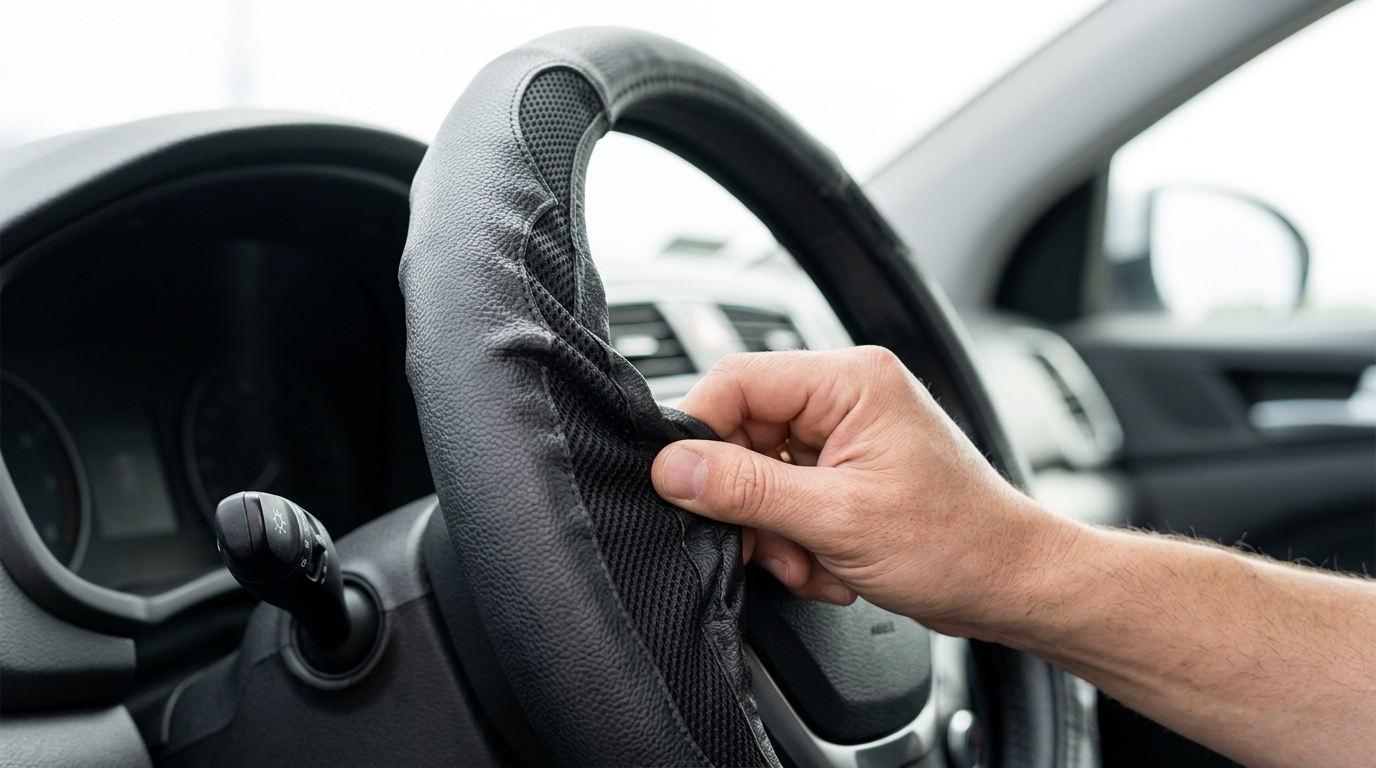
Loose Covers Can Reduce Control
The most serious drawback is slipping. A cover that rotates independently from the steering wheel can delay steering input or cause your hands to lose position during a sudden maneuver. Choose the exact diameter and grip circumference specified for your wheel, and stop using the cover if it twists, bunches, or slides.
Featured in this guide
Leopard Plush Steering Wheel Cover – Soft Non-Slip Winter Grip 15 in
Extra Thickness May Affect Grip
Thick plush or padded covers increase the wheel’s overall diameter. Drivers with smaller hands may find it harder to maintain a secure grip, especially while parking or making sharp turns. Test the cover with both hands and confirm that you can comfortably reach nearby controls.
Some Materials Need More Care
Fabric and faux-fur covers can collect dust, skin oils, moisture, and debris. Smooth synthetic materials may also become slippery when wet. Follow the care instructions, clean the cover regularly, and let it dry completely before driving.
For the full product context, see the main Owleys guide.
FAQ
Do steering wheel covers affect insurance?
Steering wheel covers generally do not affect insurance by themselves. However, an insurer could examine whether a loose or unsafe steering wheel cover contributed to an accident, so proper fit and maintenance are important.
Is a brodie knob illegal?
A brodie knob may be legal in some jurisdictions and restricted in others, particularly for ordinary passenger vehicles. Check state and local laws before installing a brodie knob, and verify that it does not obstruct controls or safe steering.
Is it illegal to have a fluffy steering wheel cover?
A fluffy steering wheel cover is not broadly illegal in the United States, but local equipment laws can vary. It may still be considered unsafe if it slips, blocks controls, or prevents the driver from maintaining a secure grip.
See if Leopard Plush Steering Wheel Cover – Soft Non-Slip Winter Grip 15 in fits your setup
Best Car Covers for Winter Weather: Buying Guide
Sep 15, 2026













Leave a comment