-
Shop
- Advanced Technologies
- AI Skills Mastery 2026 Collection
- Apple Accessories
- Bathroom
- Car Accessories
- Dating & Social Skills
- Digital Resources
- AI & Technology
- Beauty
- Budgeting & Saving
- Car Buying & Ownership
- Cozy Feast Collection
- Electronics & Technology
- Entrepreneurship & Business Growth
- Financial Education
- Financial Independence
- Financial Mindset & Psychology
- Goal Setting
- Home Styling & Organization
- Kitchen & Recipes
- Leadership
- Mindfulness
- Mindset
- Online Business
- Parenting & Child Development
- Personal Style & Fashion
- Pet Lifestyle & Wellness
- Positive Thinking
- Sleep Improvement
- Smart Life with AI
- Stress Management & Relaxation
- Travel Planning
- Wellness
- Yoga & Fitness
- Yoga & Mind-Body Practices
- Education & Learning
- Family & Parenting
- Fashion
- Accessories
- Alexander McQueen
- Bags
- Bags & Wallets
- Balenciaga
- Belts
- Blazers
- Bottega Veneta
- Bottoms
- Brunello Cucinelli
- Burberry
- Chanel
- Chloé
- Clothing
- Dior
- Dolce & Gabbana
- Dresses
- Etro
- Fendi
- Gucci
- Hats & Hair Accessories
- Hoodies & Sweatshirts
- Jacquemus
- Jewelry
- Jil Sander
- Keychains
- Kiton
- Luggage
- Miu Miu
- Off-White
- Outerwear
- Prada
- Rick Owens
- Saint Laurent
- Scarves
- Socks & Tights
- Sweaters & Cardigans
- The Row
- Tom Ford
- Tops & Shirts
- Valentino
- Valentino Garavani
- Versace
- Vivienne Westwood
- Watches
- Fashion Accessories
- Furniture
- Gadgets
- Health & Beauty
- Health & Wellness
- Home & Garden
- Home Electronics
- Home Supplies
- Kids & Babies
- Kitchen
- Lighting
- Patio, Lawn & Garden
- Personal Growth
- Pet Care
- Pet Supplies
- Pets
- Shoes
- Sport & Outdoors
- Super Deals
- Travel
- Wealth
- Popular
- Best deals
What to Buy Before Bringing a Cat Home: Checklist
25% off on product page · save $105.33
What to Buy Before Bringing a Cat Home: Checklist
Start With Food and Water Essentials
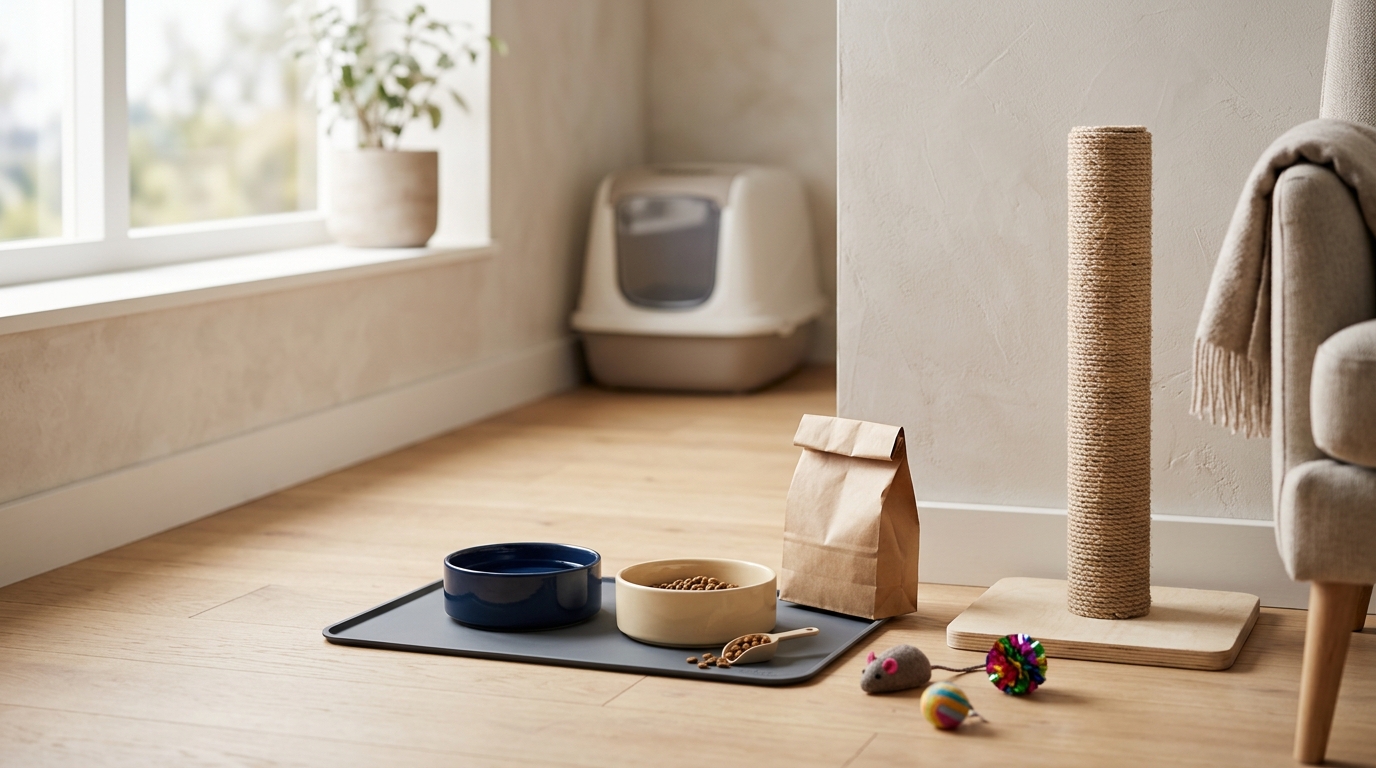
Buy stainless-steel or ceramic food and water bowls, which are durable and easier to clean than porous plastic. Ask the shelter, breeder, or previous owner which food your cat currently eats, then purchase a small supply to prevent an abrupt diet change.
Featured in this guide
Before You Get a Cat Preparation Pack: 3-in-1 Bundle of Guides & Checklist
Create a Safe Place to Sleep and Hide
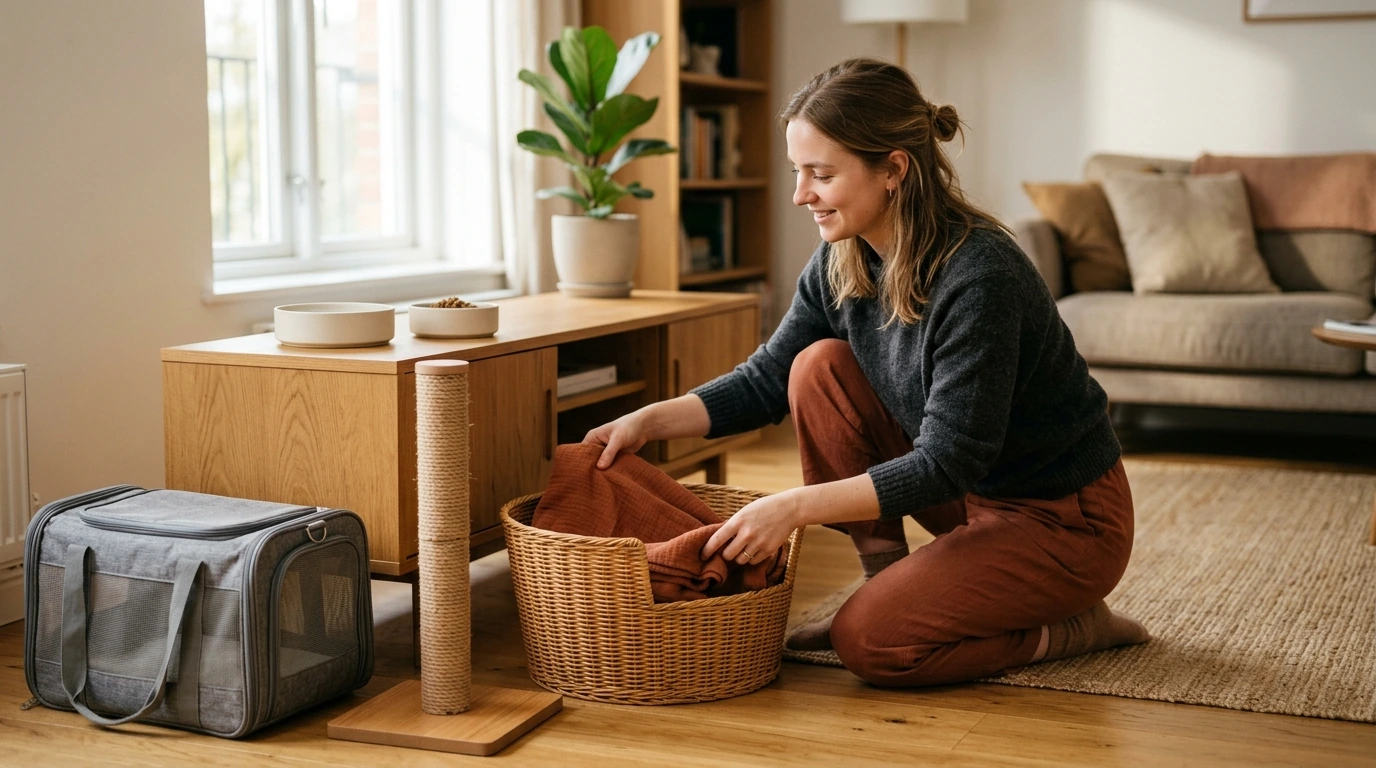
Prepare a washable cat bed or soft blanket in a low-traffic room where your new cat can decompress. Include a covered hideaway, such as a sturdy cat cave or open carrier, but block access to unsafe hiding places behind appliances.
Provide Scratching and Enrichment
Purchase at least one tall, stable scratching post that allows a full-body stretch, plus a horizontal cardboard scratcher for texture variety. Add wand toys, balls, and food puzzles, but store strings and feather toys when they are not being supervised.
Plan for Safety, Grooming, and Travel
A secure, well-ventilated carrier is essential for bringing your cat home and attending veterinary appointments. Also buy a brush suited to the coat length, cat nail clippers, an identification tag, and an enzyme cleaner, then remove toxic plants, loose cords, and small objects before arrival.
For a more detailed checklist, visit what to buy in preparation for a cat.

Watch · product page video
“Content seems well-researched and reliable. Trustworthy stuff in here!”
Giovania product page · Product review
FAQ
What is the 3-3-3 rule for cats?
The 3-3-3 rule for cats describes an approximate adjustment period: three days to decompress, three weeks to learn the routine, and three months to feel at home. Some cats adjust faster or slower, so provide patience, predictable meals, and a quiet retreat.
What do I need to do to prepare for a cat?
To prepare for a cat, secure hazards, arrange a quiet starter room, buy basic supplies, and schedule an initial veterinary visit. Confirm the cat’s current food, litter preference, vaccination history, and microchip information before pickup.
Is it okay to leave a cat alone for 4 days?
No, leaving a cat completely alone for four days is unsafe because water, food, litter, health, or temperature problems can arise. Arrange for a reliable sitter to visit at least daily, with more frequent care for kittens, seniors, or cats needing medication.
What to buy in preparation for a kitten?
For a kitten, buy age-appropriate food, shallow bowls, a low-entry litter box, unscented litter, safe toys, a scratching post, and a secure carrier. Kitten-proof the home by covering cords, checking narrow gaps, and removing items small enough to swallow.
What should I do to prepare for getting a cat for the first time?
First-time cat preparation should include choosing a veterinarian, setting a realistic care budget, and creating a calm room with food, water, litter, bedding, and hiding space. Learn basic cat body language and let the cat initiate contact rather than forcing interaction.
See if Before You Get a Cat Preparation Pack: 3-in-1 Bundle of Guides & Checklist fits your setup
How to Stop Worrying About Someone You Love
Sep 13, 2026
How to Gua Sha a Puffy Face: 5-Minute Routine
Sep 13, 2026













Leave a comment