-
Shop
- Advanced Technologies
- AI Skills Mastery 2026 Collection
- Apple Accessories
- Bathroom
- Car Accessories
- Dating & Social Skills
- Digital Resources
- AI & Technology
- Beauty
- Budgeting & Saving
- Car Buying & Ownership
- Cozy Feast Collection
- Electronics & Technology
- Entrepreneurship & Business Growth
- Financial Education
- Financial Independence
- Financial Mindset & Psychology
- Goal Setting
- Home Styling & Organization
- Kitchen & Recipes
- Leadership
- Mindfulness
- Mindset
- Online Business
- Parenting & Child Development
- Personal Style & Fashion
- Pet Lifestyle & Wellness
- Positive Thinking
- Sleep Improvement
- Smart Life with AI
- Stress Management & Relaxation
- Travel Planning
- Wellness
- Yoga & Fitness
- Yoga & Mind-Body Practices
- Education & Learning
- Family & Parenting
- Fashion
- Accessories
- Alexander McQueen
- Bags
- Bags & Wallets
- Balenciaga
- Belts
- Blazers
- Blouses & Shirts
- Bottega Veneta
- Bottoms
- Brunello Cucinelli
- Burberry
- Chanel
- Chloé
- Clothing
- Dior
- Dolce & Gabbana
- Dresses
- Etro
- Fendi
- Gucci
- Hats & Hair Accessories
- Hoodies & Sweatshirts
- Jacquemus
- Jewelry
- Jil Sander
- Keychains
- Kiton
- Luggage
- Luggage Bags
- Miu Miu
- Off-White
- Outerwear
- Prada
- Rick Owens
- Saint Laurent
- Scarves
- Socks & Tights
- Sweaters & Cardigans
- The Row
- Tom Ford
- Tops & Shirts
- Valentino
- Valentino Garavani
- Versace
- Vivienne Westwood
- Watches
- Fashion Accessories
- Furniture
- Gadgets
- Halloween
- Health & Beauty
- Health & Wellness
- Home & Garden
- Home Electronics
- Home Supplies
- Kids & Babies
- Kitchen
- Lighting
- Patio, Lawn & Garden
- Personal Growth
- Pet Care
- Pet Supplies
- Pets
- Shoes
- Sport & Outdoors
- Super Deals
- Travel
- Wealth
- Popular
- Best deals
Can Changing Dog Food Cause Problems? How to Switch Safely
35% off on product page · save $2.69
Can Changing Dog Food Cause Problems? How to Switch Safely
Can Changing Dog Food Cause Problems?
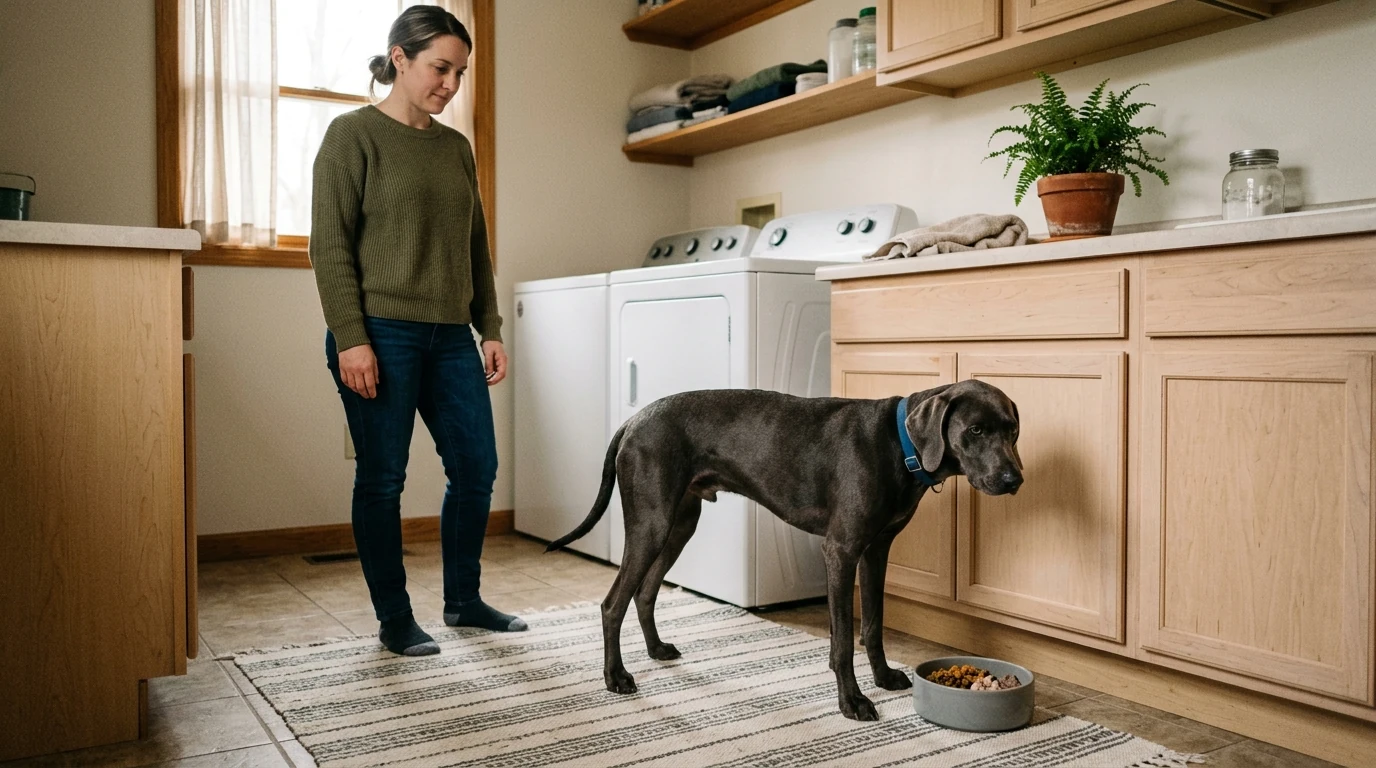
Yes. A sudden change in dog food can cause diarrhea, vomiting, gas, or a reduced appetite, even when the new food is nutritious. Your dog’s digestive system needs time to adjust to different ingredients and nutrient levels. Check the new food’s label for ingredients your dog has reacted to before, especially if they have a known sensitivity.
Switch Foods Gradually
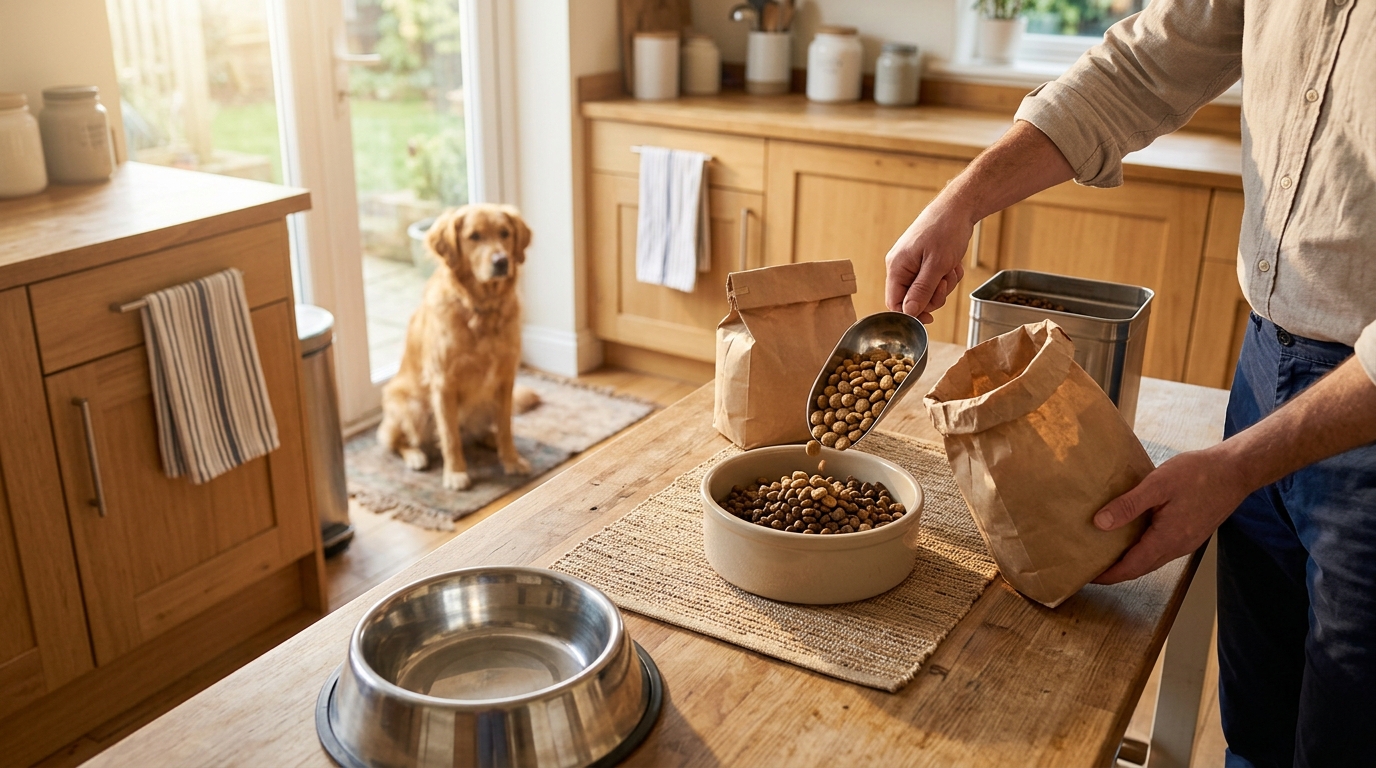
Unless your veterinarian advises otherwise, replace the old food over about seven days. Start with 25% new food and 75% old food for two days, move to a half-and-half mix for two days, then use 75% new food for two days before serving only the new food. For a day-by-day plan, see the guide to changing your pet’s food safely.
Featured in this guide
How to Change Your Pet’s Food Safely – Easy Checklist for Switching Pet Food Safely, Stress-Free Feeding Transition Guide
Watch More Than the Food Bowl
Check your dog’s stool, appetite, energy, and comfort each day during the switch. Mildly soft stool may improve as the transition continues, but repeated vomiting, watery diarrhea, or refusal to eat calls for a veterinarian’s advice. Keep treats and table scraps consistent so it is easier to tell whether the new food is causing a problem.
Adjust Portions, Not Just Ingredients
Different dog foods can have different calories per cup, so the old serving size may not fit the new formula. Compare the calorie information and feeding directions on both packages, then measure meals rather than estimating. If your dog needs a prescription diet or has a medical condition, ask your veterinarian how quickly to make the change.
FAQ
What are the potential side effects of changing a dog’s food?
Changing a dog’s food can cause soft stool, diarrhea, gas, vomiting, or a temporary loss of appetite. Contact your veterinarian if symptoms are severe, persist, or come with unusual tiredness.
How long after switching food will my dog regulate?
Your dog may settle within a few days of finishing a gradual food transition. If digestive symptoms continue or worsen after the switch, ask your veterinarian what to do next.
What happens if I just change my dog’s food?
If you change your dog’s food all at once, the sudden shift may upset their stomach. Mixing the foods gradually usually gives you a better chance to spot and limit digestive trouble.
Is changing dog food bad for dogs?
Changing dog food is not inherently bad for dogs. Choose a food appropriate for your dog’s life stage and needs, and introduce it gradually unless your veterinarian directs otherwise.
See if How to Change Your Pet’s Food Safely – Easy Checklist for Switching Pet Food Safely, Stress-Free Feeding Transition Guide fits your setup
80/20 Rule for Dog Food: A Simple Feeding Guide
Sep 21, 2026
Dog Diarrhea After Switching Food: How Long It Lasts
Sep 23, 2026











Leave a comment