-
Shop
- Advanced Technologies
- AI Skills Mastery 2026 Collection
- Apple Accessories
- Bathroom
- Car Accessories
- Dating & Social Skills
- Digital Resources
- AI & Technology
- Beauty
- Budgeting & Saving
- Car Buying & Ownership
- Cozy Feast Collection
- Electronics & Technology
- Entrepreneurship & Business Growth
- Financial Education
- Financial Independence
- Financial Mindset & Psychology
- Goal Setting
- Home Styling & Organization
- Kitchen & Recipes
- Leadership
- Mindfulness
- Mindset
- Online Business
- Parenting & Child Development
- Personal Style & Fashion
- Pet Lifestyle & Wellness
- Positive Thinking
- Sleep Improvement
- Smart Life with AI
- Stress Management & Relaxation
- Travel Planning
- Wellness
- Yoga & Fitness
- Yoga & Mind-Body Practices
- Education & Learning
- Family & Parenting
- Fashion
- Accessories
- Alexander McQueen
- Bags
- Bags & Wallets
- Balenciaga
- Belts
- Blazers
- Blouses & Shirts
- Bottega Veneta
- Bottoms
- Brunello Cucinelli
- Burberry
- Chanel
- Chloé
- Clothing
- Dior
- Dolce & Gabbana
- Dresses
- Etro
- Fendi
- Gucci
- Hats & Hair Accessories
- Hoodies & Sweatshirts
- Jacquemus
- Jewelry
- Jil Sander
- Keychains
- Kiton
- Luggage
- Luggage Bags
- Miu Miu
- Off-White
- Outerwear
- Prada
- Rick Owens
- Saint Laurent
- Scarves
- Socks & Tights
- Sweaters & Cardigans
- The Row
- Tom Ford
- Tops & Shirts
- Valentino
- Valentino Garavani
- Versace
- Vivienne Westwood
- Watches
- Fashion Accessories
- Furniture
- Gadgets
- Halloween
- Health & Beauty
- Health & Wellness
- Home & Garden
- Home Electronics
- Home Supplies
- Kids & Babies
- Kitchen
- Lighting
- Patio, Lawn & Garden
- Personal Growth
- Pet Care
- Pet Supplies
- Pets
- Shoes
- Sport & Outdoors
- Super Deals
- Travel
- Wealth
- Popular
- Best deals
80/20 Rule for Dog Food: A Simple Feeding Guide
35% off on product page · save $2.69
80/20 Rule for Dog Food: A Simple Feeding Guide
What Is the 80/20 Rule for Dog Food?
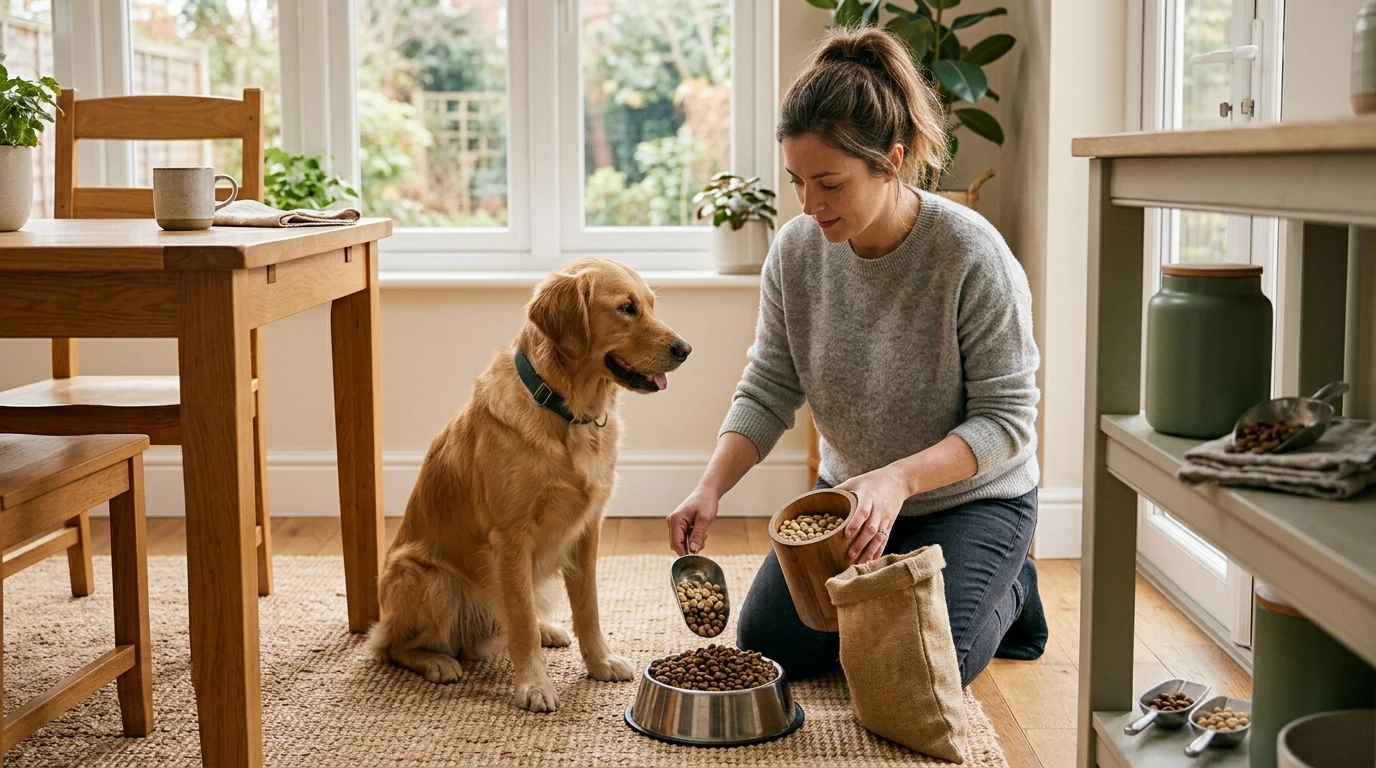
The 80/20 rule usually refers to a gradual food transition: serve 80% of your dog’s current food and 20% of the new food during the first stage of the change. This measured blend helps your dog’s digestive system adjust while allowing you to monitor appetite, stool quality, gas, or vomiting.
How to Measure the 80/20 Mix
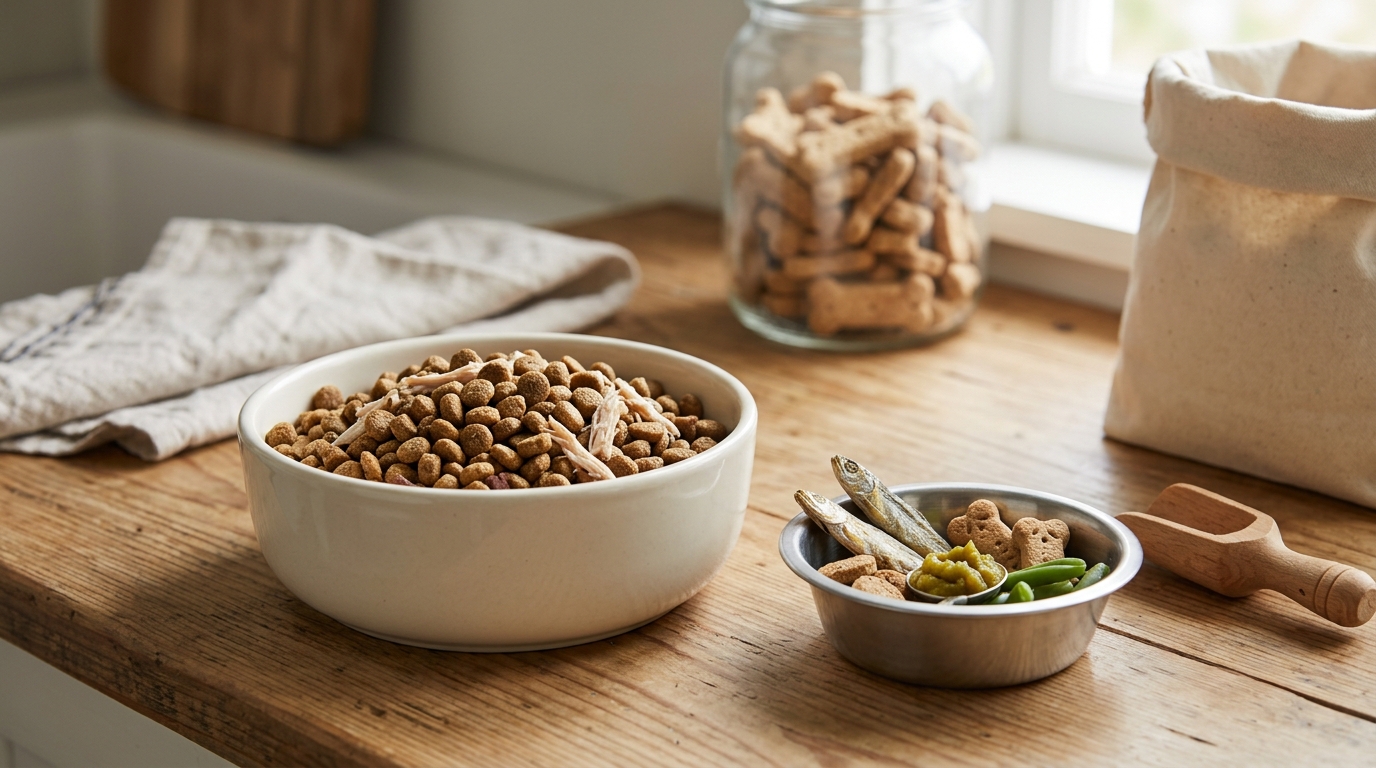
Keep your dog’s total daily portion the same unless your veterinarian recommends otherwise. For a two-cup daily allowance, combine 1.6 cups of the old food with 0.4 cup of the new food, then divide the mixture among your dog’s regular meals.
Use a marked measuring cup or kitchen scale for consistency. Review the feeding directions on both packages because foods can differ substantially in calories per cup.
Featured in this guide
How to Change Your Pet’s Food Safely – Easy Checklist for Switching Pet Food Safely, Stress-Free Feeding Transition Guide
Moving Beyond the First Stage
If your dog tolerates the 80/20 mixture, gradually increase the percentage of new food over approximately seven days. A typical progression moves from 80/20 to 60/40, 40/60, 20/80, and finally 100% new food.
Dogs with sensitive stomachs may need 10 to 14 days or a veterinarian-directed schedule. Follow this seven-day guide to changing your pet’s food safely for a practical transition plan.
Another Meaning of the 80/20 Rule
Some owners use “80/20” to mean that 80% of a dog’s diet comes from complete and balanced food while 20% comes from toppers or extras. However, veterinary guidance commonly recommends limiting treats and non-balanced extras to no more than 10% of daily calories, unless a veterinary nutritionist formulates the full diet.
Check the label for an AAFCO nutritional adequacy statement and calculate extras by calories rather than volume. Too many additions can unbalance nutrients or contribute to weight gain.
When to Pause the Transition
Pause the increase in new food if your dog develops loose stool, repeated vomiting, marked gas, or reduced appetite. Return to the last well-tolerated ratio and contact a veterinarian if symptoms are severe, persist beyond a day, or involve lethargy, swelling, or difficulty breathing.
Puppies, pregnant dogs, seniors, and dogs with allergies or medical conditions should have their food compatibility checked with a veterinarian before starting. Keep fresh water available throughout the transition.
FAQ
What are the three toxic foods you should never feed your dog?
Three toxic foods you should never feed your dog are chocolate, grapes or raisins, and products containing xylitol. These can cause life-threatening poisoning, so contact a veterinarian or pet poison-control service immediately if your dog consumes any amount.
What is the 80-10-10 rule for dog food?
The 80-10-10 rule for dog food is a raw-feeding ratio of 80% muscle meat, 10% edible bone, and 10% organs, typically including 5% liver. This ratio alone does not guarantee complete nutrition, so consult a board-certified veterinary nutritionist before using it as a long-term diet.
See if How to Change Your Pet’s Food Safely – Easy Checklist for Switching Pet Food Safely, Stress-Free Feeding Transition Guide fits your setup
Dog Stomach Upset After Switching Food: How Long?
Sep 21, 2026













Leave a comment